

The traditional album cycle is over. Today's pop stars launch new eras not with a song, but with a vibe—a curated aesthetic of colors, fonts, and theories designed for a screenshot world.
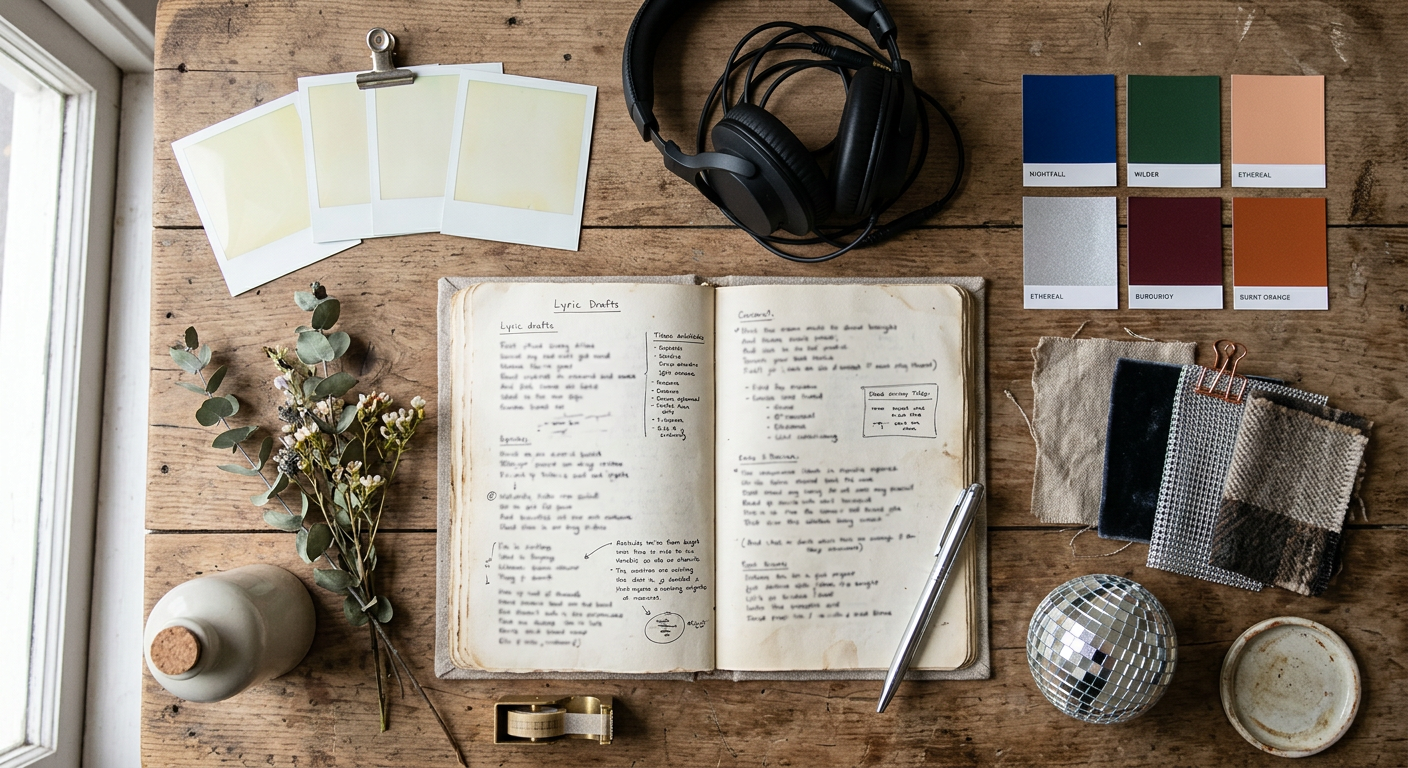
Remember the surprise album drop? It feels like a lifetime ago. A new model has taken its place, one that’s quieter, more atmospheric, and infinitely more intriguing. It’s a pattern Young Hollywood has been tracking across pop music’s biggest names: the era of the aesthetic rollout. Instead of a lead single blasting onto the airwaves, a new musical chapter now begins with a whisper—a color palette, a cryptic symbol, or a carefully curated visual vibe that takes over social media.
The first sign is often a digital cleanse. An artist’s Instagram grid is wiped clean, a blank slate signaling something new is on the horizon. Then, the first clues appear. It might be a series of photos all bathed in a sepia tone, a recurring floral motif, or a specific, retro-inspired font. The music is secondary, sometimes completely absent. What’s being sold first is a mood, a feeling. This is world-building for the screenshot era, where a vibe can be captured, shared, and debated long before a tracklist is ever revealed.
Crafted for the Digital Native
This shift is a direct response to how we consume culture now. We live on visually-driven platforms like Instagram and TikTok, where a compelling aesthetic is its own form of content. A traditional press release or radio announcement doesn't have the same viral potential as an enigmatic image that fans can turn into a meme, a phone background, or a profile picture. The modern album rollout is designed to be disassembled and reassembled by fans.
The artifacts of these rollouts are digital breadcrumbs: short, soundless video clips; a new bio with a single, mysterious phrase; a specific Pantone color swatch. Each element is a puzzle piece. This approach understands that in a crowded attention economy, you don’t need to shout. You need to create an irresistible mystery that pulls people in. It transforms passive listeners into active participants who feel a sense of ownership over the era before it has even properly begun.
An Extension of the Art
Skeptics might dismiss this as mere marketing, but they’re missing the point. For many artists, the visual language is as much a part of the art as the music itself. The rollout is the prologue to the story the album will tell. Think of how Taylor Swift has mastered this, with each era defined by an unmistakable aesthetic signature. The hazy pastels of the Lover era conveyed a sense of romantic optimism, while the stark black-and-white photography of folklore immediately signaled a turn toward introspection and acoustic storytelling. The visual moodboard sets the stage and manages audience expectations.
This is about creating a multi-sensory universe. An artist like Harry Styles can introduce a new project with a specific color combination, and immediately, his fans understand the new chapter’s emotional tone. It’s a powerful, non-verbal communication tool that builds a deep, immediate connection. The aesthetic isn’t just a wrapper for the album; it’s the antechamber. It’s the space where fans are invited to acclimate to the world they are about to enter, making the first listen of the actual album feel like a homecoming.
The Audience as Creative Partner
The most brilliant aspect of the moodboard rollout is how it empowers the fan. It reframes the audience from a consumer to a collaborator, or at the very least, a co-conspirator. The cryptic clues and symbolic imagery ignite a firestorm of fan theories. Message boards, Discord servers, and TikTok comment sections light up with fans playing detective, piecing together track titles, themes, and potential collaborations from the barest of hints. The engagement is deep, organic, and far more powerful than any ad buy.
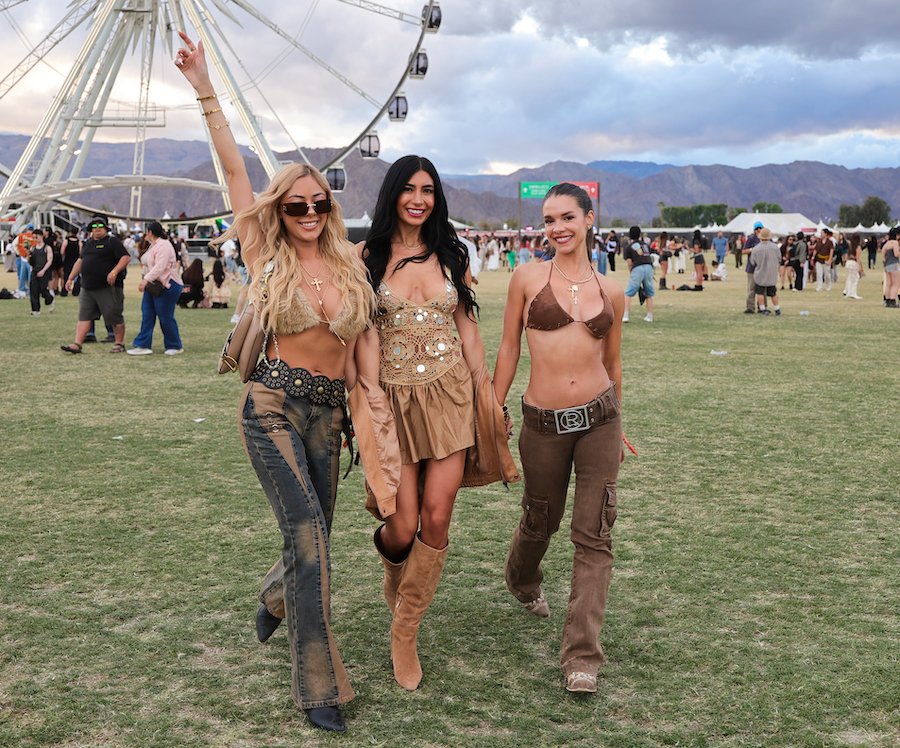
This strategy creates an interactive experience. When Beyoncé drops a major project, the visuals provide a dense text for fans to analyze for weeks. The moodboard rollout democratizes that process, stretching it out over time and playing it out on the public square of social media. It also extends into the real world through “outfit codes.” When an artist establishes scarlet red or shimmering silver as their era’s color, fans show up to concerts wearing it, creating a stunning visual testament to their collective participation. It turns a concert crowd into a living, breathing extension of the album’s aesthetic.
This isn’t just about getting dressed up. It’s about belonging. Wearing the era’s colors or adopting its style is a way of signaling you’re part of the inner circle, that you’ve been paying attention from the very beginning. It’s a shared identity.
The New Blueprint for Pop
The album rollout is no longer a linear path from single to album. It’s now a sprawling, immersive art project in its own right. It’s a testament to the fact that in 2024, an album is more than a collection of songs—it’s a visual world, a community, and a conversation. The music is the main event, but the aesthetic is the invitation, and it’s one that fans are eagerly RSVPing to.
By building a world around the music before it even arrives, artists are fostering a level of loyalty and excitement that a surprise drop could never sustain. They are creating a space for fans to live inside the art, turning a simple album release into a genuine cultural moment that we don’t just listen to, but see, wear, and experience together.
On This Topic
UP NEXT ON TAYLOR SWIFT
MUSIC SHOP